
Interoception
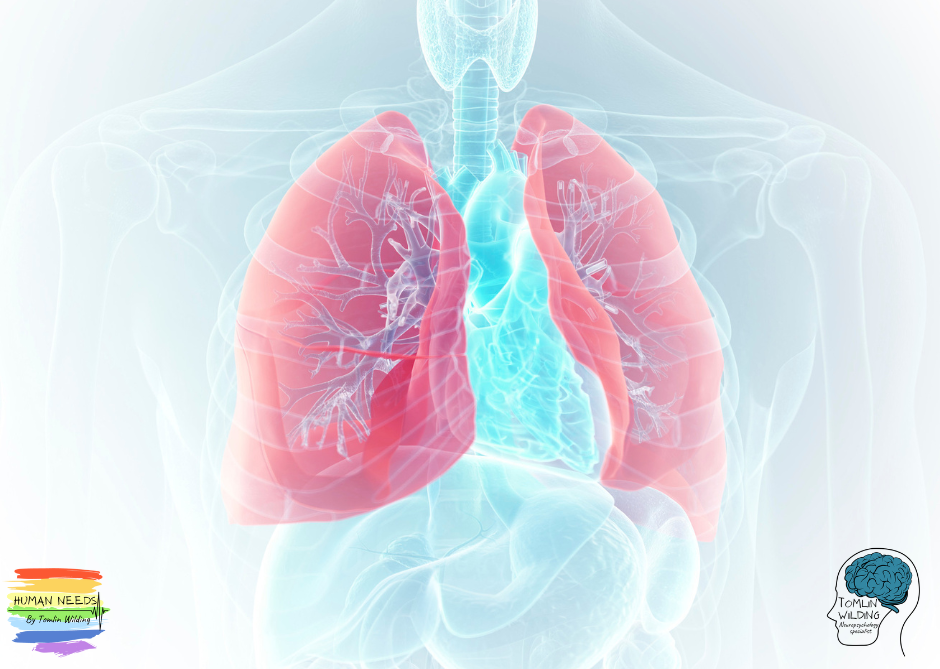
The interoceptive sense, or interoception, is a similar concept to proprioception in many ways. Just as there are receptors in muscles and joints that interpret signals, there are also receptors throughout our internal organs that send information about our internal body to our brain. This helps us to regulate basic bodily functions such as body temperature, hunger, thirst, digestion, heart rate, and respiration. Some of the signals our brains interpret are conscious (feeling too full for instance) and some are completely subconscious (adjusting respiration or the yawning reflex for instance). Interoception is contemporarily defined as the sense of the internal state of the body
Neurobiology of the interoceptive sense
Interoceptive sense signals are sent to the brain via many different neural pathways integrating signals relayed from the body into specific regions of the brain including the thalamus, insula, somatosensory cortex, and the anterior and cingulate cortices.
It is important to note that a term used historically, “visceroception”, refers to just one part of the widely accepted term interoception.
Neural pathways
Interoceptive signals are sent to the brain via many different neural pathways integrating signals relayed from the body into specific regions of the brain including the thalamus, insula, somatosensory cortex, and the anterior and cingulate cortices.
It is important to note that a term used historically, “visceroception”, refers to just one part of the widely accepted term interoception.
Neural pathway | Information |
Lamina I Spinothalmic pathway | Temperature, pain and homeostasis condition of the body. |
Visceroceptive pathway | Key communications from heart, lungs, stomach and bladder |
Somatosensory pathway | proprioception and discriminative touch |
Cortical processing of interoception
Interoception is essential for maintaining homeostasis where autonomic function is not solely responsible. If we need to act to maintain ourselves, for example we need to eat to satiate hunger, we need to know from our body when this is needed. Interoception aids in self-awareness and autonomy.
Cardiac
Feeling our heartbeat, messages from our blood.
Respiratory
Feeling our breathing rate and depth.
Gastrointestinal
Feeling hunger, satiation, digestive sensations.
Pain
Registering of injury or malfunction in the body.
Immunity
Sends messages to the brain to influence other systems.
Hormones
Not only responds to the brain, but also sends messages.
Touch
Explained below.
Thermoregulation
Provides information about internal body temperature.
Respiration note
Respiratory perception can differ from other interoceptive physiological symptoms because of an individual’s ability to exert voluntary control over the system with controlled breathing or breathing exercises.
Interoceptive sense regulation
People who have difficulties with interoception can find life extremely difficult. Misinterpretation of signals, or a lack of signalling between the brain and internal body has been suggested to potentially underlie mental health difficulties such as eating disorders, mood disorders, obsessive disorders, anxiety disorders, and post-traumatic disorders. Interoceptive difficulties are also exceptionally common in neurodivergent people, as with other sensory differences.
Hyper-sensitive interoception
People who experience the signals from their interoceptive sense (internal body) more intensively, or the signals that they receive are stronger, may complain of:
- Increased intensity of pain
- Being distracted by their heart beating, their breathing, or their digestion
- Digestive discomfort
- More extreme changes in body temperature
- Emotional dysregulation
- Difficulty regulating physically in general.
Hypo-sensitive interoception
People who experience the signals from their interoceptive sense (internal body) less intensively, or the signals that they receive are fewer and weaker, may struggle with:
- Feeling appropriate pain levels, or feels no pain at all
- Not feeling hungry
- Not feeling satiated, and therefore not knowing when to stop eating
- Knowing when they need to act to cool down or keep warm
- Emotional dysregulation
- Difficulty regulating physically in general.